Can falsifying records be termination for cause wilful misconduct?
falsifying records be termination for cause wilful misconduct
Falsifying records is a serious offense in any organization, raising questions about whether such actions can lead to termination for cause wilful misconduct. Manipulating financial, operational, or employee records undermines trust, compromises accuracy, and can have far-reaching consequences for businesses. Employers are tasked with ensuring integrity and transparency, and deliberate falsification by an employee can constitute one of the most severe breaches of workplace conduct.
Termination for cause wilful misconduct is considered the highest level of disciplinary action. It is applied when an employee intentionally violates company policies, legal obligations, or ethical standards. Falsifying records typically falls squarely within this definition, as it involves deliberate deception with potential legal and financial repercussions. Courts and labor tribunals often examine whether the misconduct was intentional, repeated, or reckless when reviewing cases involving falsified records. This scrutiny ensures that employers act fairly and responsibly when terminating employment for such serious infractions.
Employers must approach allegations of falsifying records with thorough investigation and documentation. Before implementing termination for cause wilful misconduct, it is crucial to gather evidence, including the altered records, email communications, witness statements, and any prior warnings related to dishonest behavior. This documentation establishes a factual basis for the termination and protects the organization from potential legal challenges. Courts frequently look at the quality and thoroughness of the employer’s investigation when determining if the termination was justified.
Falsifying records can encompass a wide range of actions, including altering financial statements, submitting inaccurate timesheets, or tampering with inventory logs. The intentional nature of these actions makes them particularly egregious. Employers are expected to enforce strict policies and communicate the consequences of such behavior clearly. When an employee knowingly breaches these policies, it reflects a conscious disregard for organizational rules and ethical standards, making Termination for cause wilful misconduct an appropriate and defensible response.
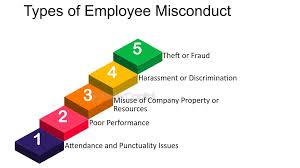
Can falsifying records be termination for cause wilful misconduct?
The proportionality of disciplinary action is a critical factor when considering termination for cause wilful misconduct due to falsifying records. Courts and labor authorities assess whether dismissal was a reasonable response to the employee’s actions. In cases where falsification leads to significant financial loss, legal liability, or reputational damage, termination is often viewed as both necessary and justified. Lesser offenses, however, may require alternatives such as suspension, demotion, or mandatory training. This ensures that disciplinary measures match the severity of the misconduct.
Appeal courts also examine procedural fairness in cases of falsified records. Employees must be given an opportunity to explain their actions before termination. Failure to provide due process can render a termination invalid, even if the misconduct itself is serious. Courts emphasize that organizations should follow consistent disciplinary policies, investigate thoroughly, and document every step of the process. Such diligence strengthens the employer’s position and demonstrates that termination for cause wilful misconduct was not arbitrary but carefully considered.
In addition, workplace culture and preventive measures play a significant role in addressing falsified records. Organizations that invest in robust auditing systems, clear ethical guidelines, and employee training create an environment that discourages dishonest behavior. By doing so, employers reduce the risk of record falsification while reinforcing the principle that intentional misconduct can justify termination for cause wilful misconduct. Employees are more likely to adhere to policies when they understand the seriousness of ethical breaches and the potential consequences.
In conclusion, falsifying records can indeed justify termination for cause wilful misconduct, provided the misconduct is intentional, harmful, and properly documented. Employers must ensure a thorough investigation, follow due process, and maintain clear policies to protect both the organization and employees’ rights. Courts and labor authorities focus on evidence, intent, procedural fairness, and proportionality to determine whether dismissal is justified. By addressing record falsification decisively, organizations safeguard integrity, maintain trust, and reinforce the principle that termination for cause wilful misconduct is reserved for the most serious breaches of workplace conduct.